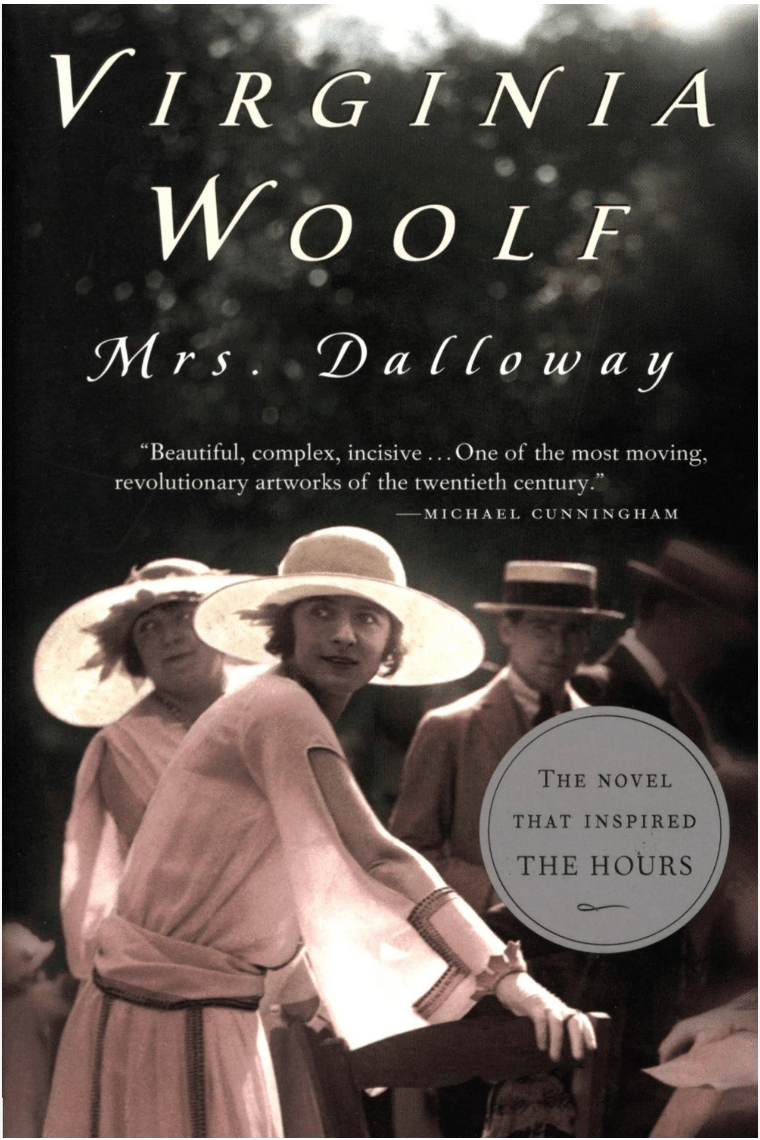
World War I left disillusionment and pessimistic realism across Europe in its wake. Perhaps it was the personal ramifications of death of friends or family on the majority of Europeans, the rise of the first anti-war agitation groups prior to the war, or the great economic costs that took years to rebcover from. Historians and political scientists disagree on what made WWI the most impactful on public opinions turning away from support of war as a necessity of human nature up until the second World War, but no matter, the result is the same. The first World War led to a fracturing of European ideaological and cultural ideals and initiated the shift from romanticism and heavenly idealization of our world to a deep rooted mistrust, pessimism, and disillusionment with modern society. Death touched families across Europe tainting the glamour of the relatively peaceful century proceeding the War, though with edging tensions, and the question of how to rebuild society from such a calamity arose. It was in this deeply fractured world that Virginia Woolf wrote Mrs. Dalloway, a novel that as if soul-searching investigates the wounds of isolation on experience and understanding through the life of Mrs. Dalloway in which social conventions and propriety prevent true happiness or honesty. It is this analysis of the ruinsome nature of secrecy, untruthfulness, and poor communication that parallels Woolf’s advice for Europe in rebuilding, that advice being to emphasize the importance of human connection that fear and hatred long-since stole.
Mrs. Dalloway follows the life of an English society woman, married to a conservative parliament member and those she encounters in her life. Taking place in a single day, the tale describes the world and experiences evoked by it in precise detail and eloquent metaphors that in their complexity and idyosycracity seek to depict the extent of the human mind with all its juxtapositions. Sentences extend alongside the scattered nature of human experience, placing the reader in tandem with her purpose, to encourage connection, a goal that she fulfills through careful description of various characters inner worlds. A random couple on the street transforms from an odd family that only goes to town to see doctors into real people, a soldier suffering from a nervous disorder that he tells no one about and his hat making wife who only wants her husband back from seeming hysteria. A former suitor, Peter, transforms from a lost friend and regret into a troubled gentleman with chaotic love affairs, a judging nature, and a wide world knowledge who hasn’t forgotten his first love, Mrs, Dalloway, either. Richard, an unfaithful husband transforms into a misunderstood man who simply love his wife ans wishes to buy her flowers, though Mrs. Dalloway remains convinced he loves another, Lady Burton. Essentially the overarching thread through each character that Woolf introduces is their penchant for miscommunication. Characters, whether too scared, embarrassed, or judged for their their truthful desires or feelings, chose to avoid repercussions by living in isolation. Even, Mrs. Dalloways who married a wealthy man that loves her admits her unhappiness by the novels end for she feels suffocated by middle class expectations and eternally regrets her surpassing of Peter’s proposal due to his lower station, despite him being a man she cared far more for than for her husband. As a result, only the reader knows the extent of each character’s turmoils which society forces them to shield their true experiences from the world.
This isolation through miscommunication or secrecy causes despair and loss, which while not on the same scale as a multi-continental war offers a metaphor for the reasons that extended devastation last. Each character fails to connect with their community due to a lack of communication, much like the bonds between European countries failed to recover from the first World War, leading to remaining prejudices long after which escalated into further conflict of WWII. Mistrust permeated the relationships between cultures, between citizens and governments, and even between people within communities. Of course Mrs. Dalloway never provides the solution for these fractures, as to ask one literary work to resolve the destruction of European warfare would be laughable, but Woolf’s work does diagnose a massive source of discontent after the WWI and possibly before, societal limitations on communication. Honesty and human connection form integral parts of the human experience, and for them to be limited by social repercussions and devestations removes a source of human happiness. Thus, Woolf’s novel in diagnosing a source oh discontentment offers a possible diagnosis of the root of European fracturing after the world wars, posing that for united reconnection of the world must precede the total restoration of it.
 Aubrey Wallen Literary Journal and Papers