“Every profound spirit needs a mask: even more, around every profound spirit a mask is growing continually, owing to the constantly false, namely shallow, interpretation of every word, every step, every sign of life he gives.”

Friedrich Nietzsche | Beyond Good and Evil

Academic Papers

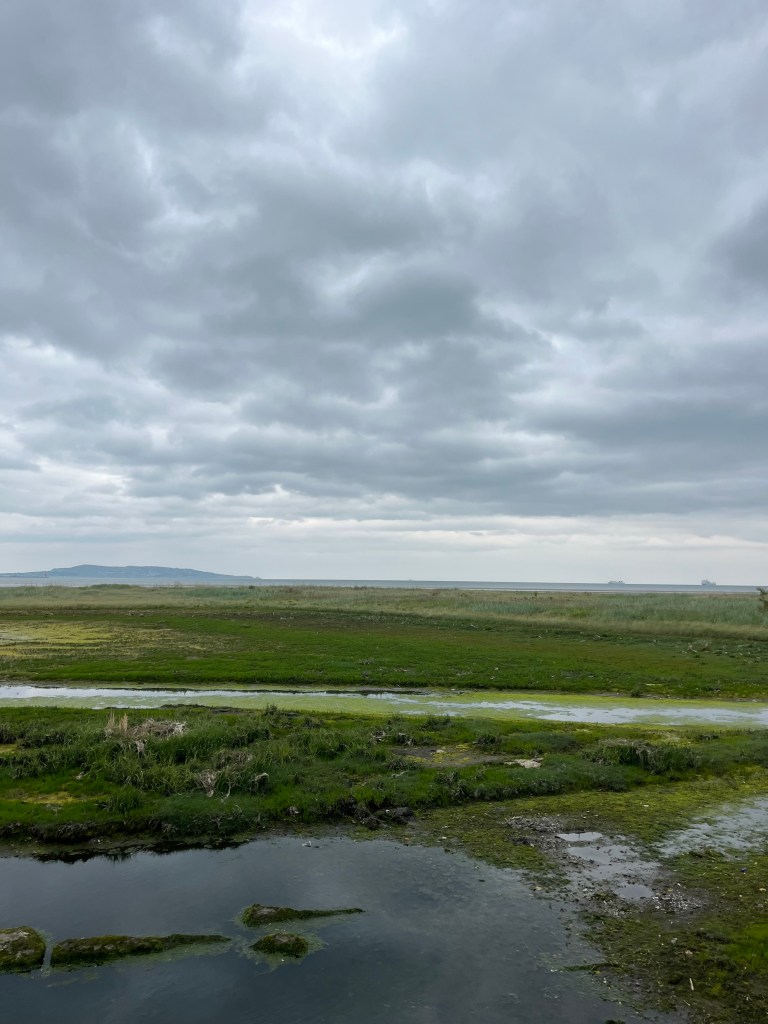
Ulysses, by James Joyce, transposes the Odyssey into a single day, June 16, 1904, in Dublin, Ireland. It has been characterized as being so difficult to read it that most average people will fail to complete if they even begin, a characterization that makes sense given the maze-like style of Joyce's writing that plays with the histories of literature, philosophy, and Ireland. The article linked above investigates this works and more specifically its interactions with the rise of nationalism that led to fascism and prejudice in European society. The novel witnesses the everyday applications of such ideaologies, making such an investigation unavoidable. 
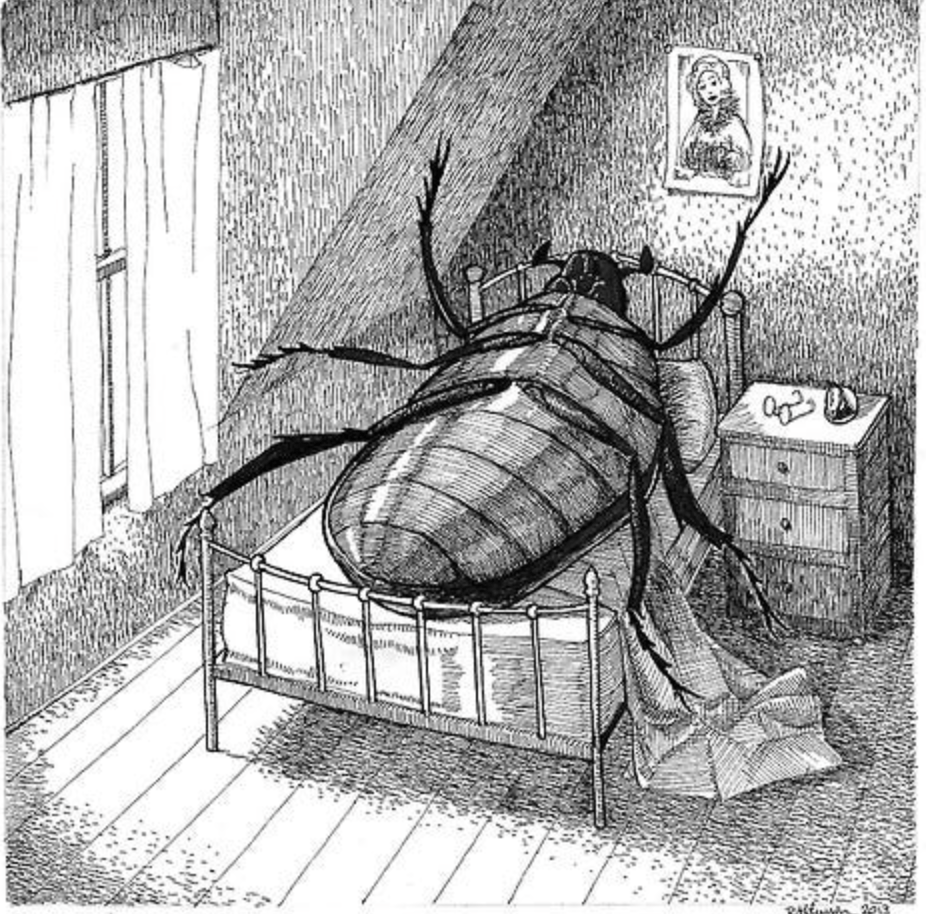
Franz Kafka published the Metamorphosis in 1915 while living in a tumultuous Europe leading up to the first world war in which he both wrote and worked as an Insurance Worker. He lay witness to many claims of injury by workers against their firms and the inhumanity that followed leading to his stark anti-capitalist views which he depicts in his text, the Metamorphosis. 
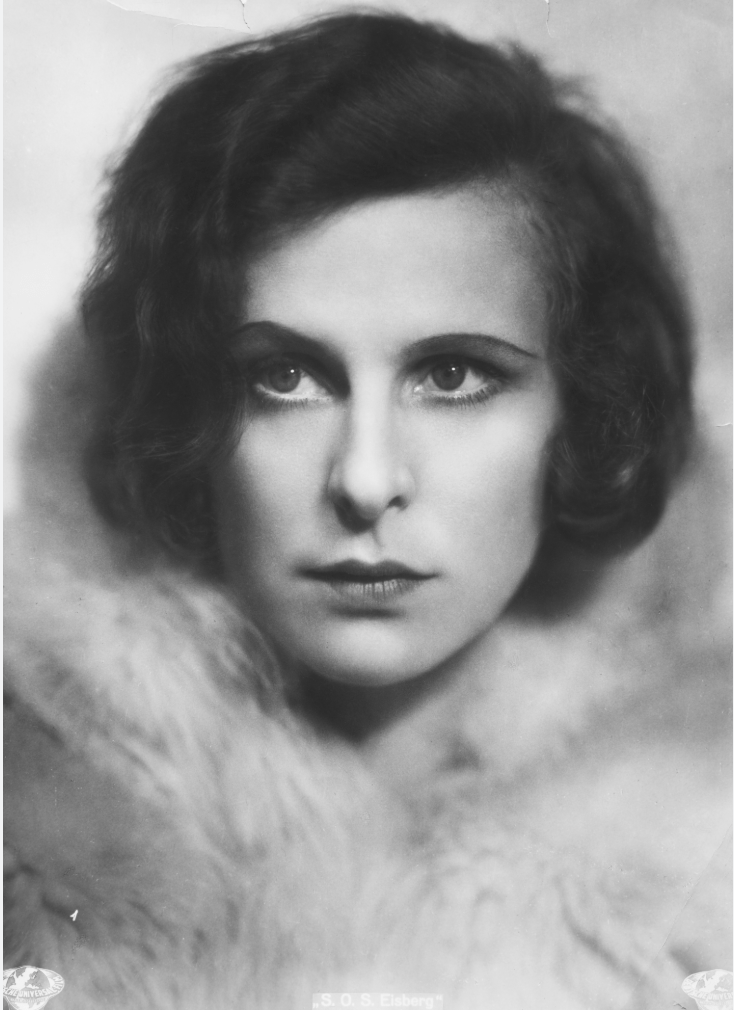
Leni Riefenstahl filmed and edited her recording of the 1936 Olympics with the intention of showcasing the superiority of the Aryan race as a propaganda piece for the Nazi Party. She captures the horrifyingly immense support for the party as the spectators put forth the Nazi salute upon German successes during the games. The main toll used to glorify the German race was the constant comparison of Aryans to the ancient Greeks, a race that was praised as ideal in German philosophical cannon due to their thriving culture and the lasting praise of their art, architecture, and governmental ingenuity. 
Discobolus statue | British Museum

Literature and Book Reviews Links

Prose/Poetry Posts Links